
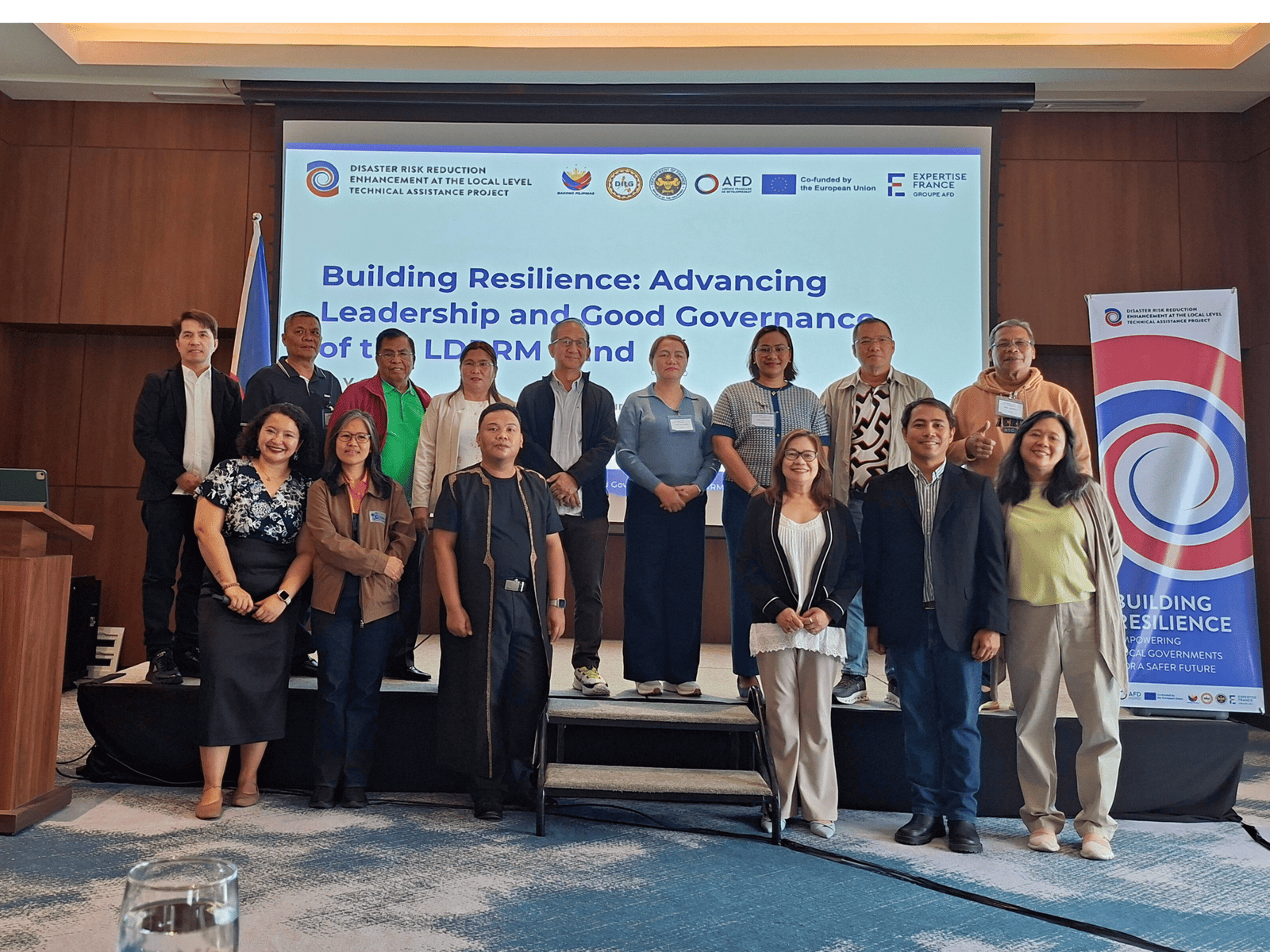
Building Resilience: Advancing Leadership and Good Governance of the Local Disaster Risk Reduction and Management Fund
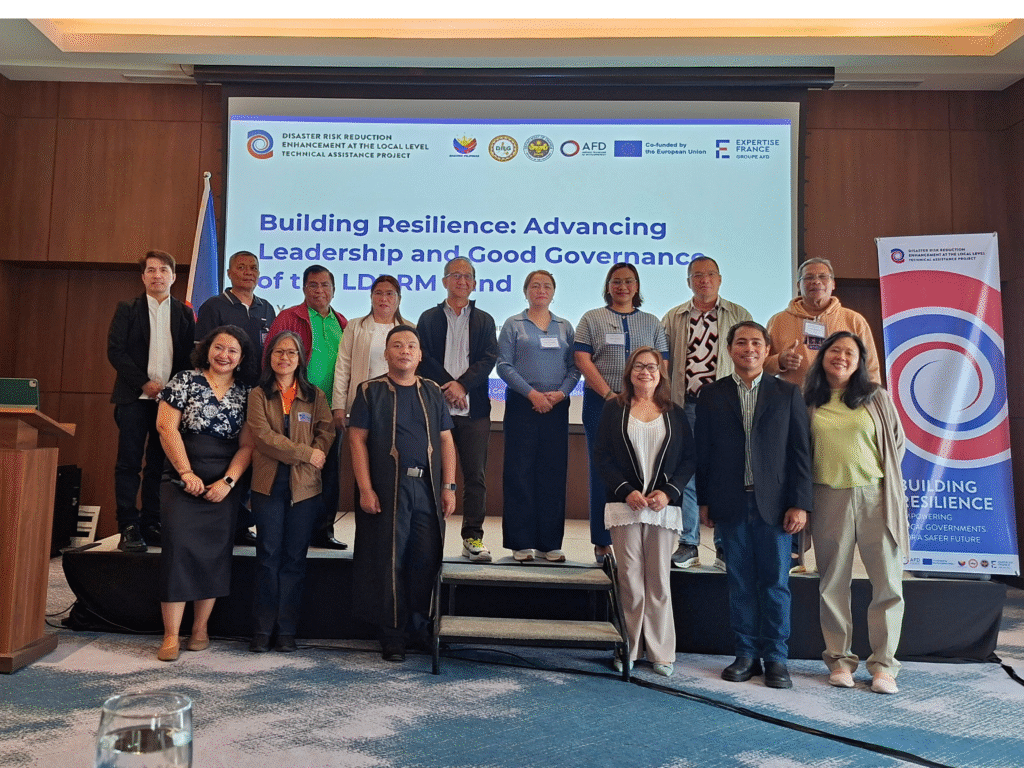
Day 1: Leadership in Action for Resilient LGUs
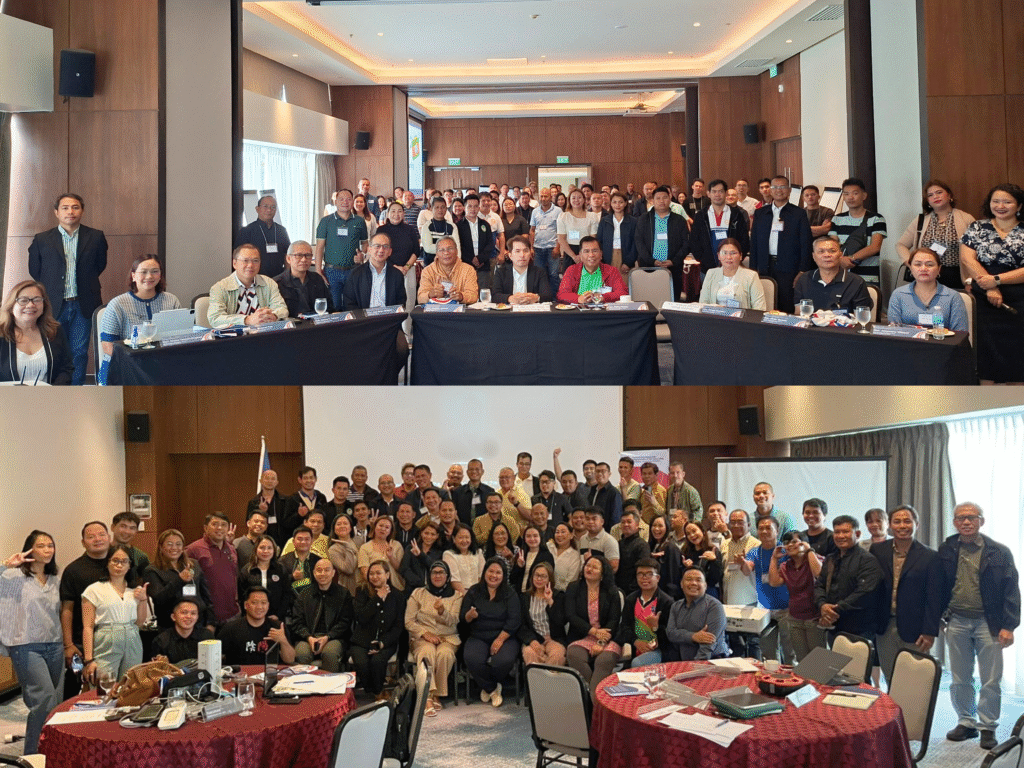
Day 1 of the second batch of Building Resilience: Advancing Leadership and Good Governance of the Local Disaster Risk Reduction and Management Fund officially commenced last 19 February 2026 at SEDA Abreeza Hotel, Davao City.
Participated in by 44 LGUs across the islands of Mindanao, together with 9 DILG regional and provincial representatives, 63 Local Disaster Risk Reduction and Management Officers, and 10 Local Chief Executives, the training gathered leaders committed to strengthening accountable and strategic DRRM financing.
The day opened with a clear call to action: disaster risks are increasing, fiscal responsibilities are growing, and leadership matters more than ever. Dr. Marqueza Cathalina L. Reyes set the tone by grounding participants in the legal and policy frameworks of the LDRRM Fund and situating the discussion within DRREALL’s broader resilience agenda. Participants reflected on a critical finding from DRREALL’s panel study—the national average utilization rate for the Mitigation Fund stands at 62%. While this demonstrates movement, it also signals significant room to strengthen strategic, risk-informed investments that prioritize long-term resilience over short-term outputs.
Sessions led by Ms. Cheryl B. Osorio of OCD Region XI clarified the complementary governance roles of LCEs and LDRRMOs and strengthened understanding of policy and institutional responsibilities. Mr. Ruel L. Rubia of the Commission on Audit and Ms. Noemi Wong, a Certified Procurement Trainer, demystified audit and procurement compliance requirements and gave LGUs clearer direction on responsible LDRRM fund use.
Through scenario-based role plays facilitated by Mr. Redentor Matibag, cross-LGU exchanges, and risk layering exercises guided by Dr. Reyes, participants examined how to move beyond compliance and toward smarter, climate- and risk-informed financing. Discussions on climate and disaster risk financing strategies reinforced the importance of systems thinking and forward-looking leadership.
Day 1 reaffirmed a powerful truth: Strong governance, sound financial stewardship, and visionary leadership are essential to transforming the LDRRM Fund into a true instrument of resilience.
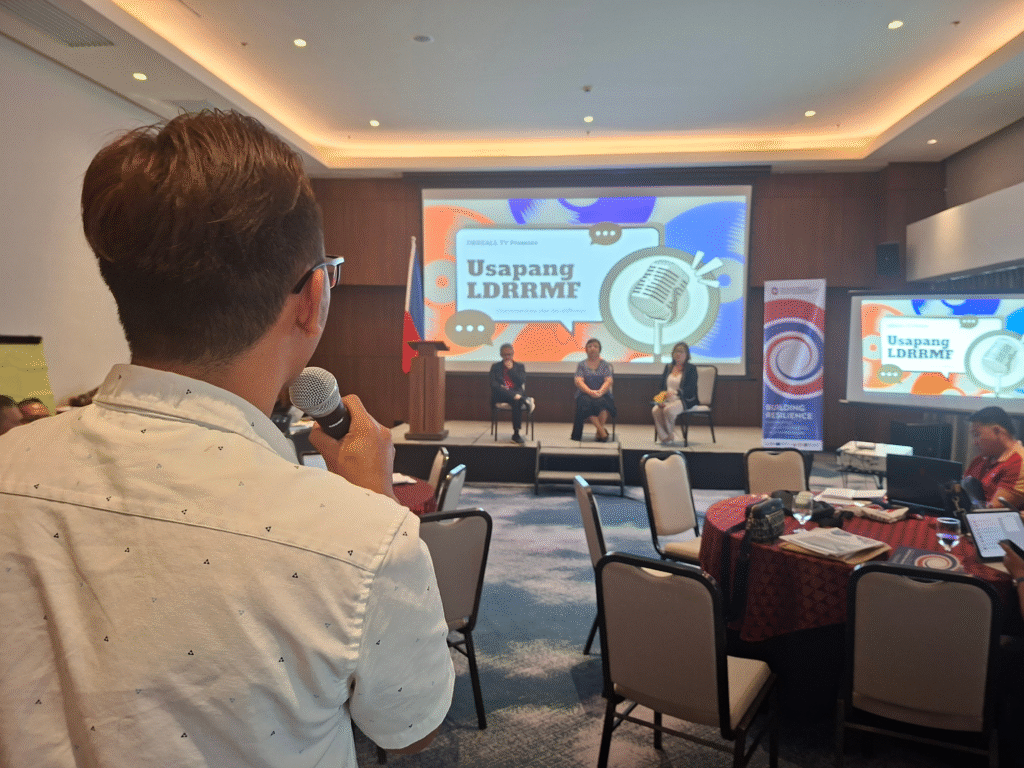
Day 2: Turning Strategy into Transformation
If Day 1 was about leadership, Day 2 was about transformation.
Building on the foundations laid the previous day, participants revisited their risk matrices and moved into the deeper work of aligning DRRM, climate action, and development priorities. Resilience, as emphasized throughout the sessions, must be coherent, inclusive, and systems-driven.
Ms. Susan Jose led participants through systems thinking approaches and the practical alignment of LDRRM and adaptation projects with the Mitigation Fund—bridging strategy with investment programming. Her sessions challenged LGUs to look at risk through a multi-hazard and long-term development lens.
Ms. Camille Adle guided discussions on integrating GEDSI into project design and implementation, reinforcing that resilience must leave no one behind. True resilience is inclusive, equitable, and responsive to the needs of the most vulnerable.
The highlight of the day was the hands-on workshop on developing risk-informed and bankable project proposals. Through collaboration and shared learning, participants translated policy into action—demonstrating that with the right leadership and technical grounding, the LDRRM Fund can drive transformative local development.
As the training concluded, one truth stood out: Resilience is not accidental—it is intentionally planned, transparently governed, and strategically financed. #