

Philippine Delegation Learns from France’s Decentralized Flood Risk Management Through Week-Long Study Visit
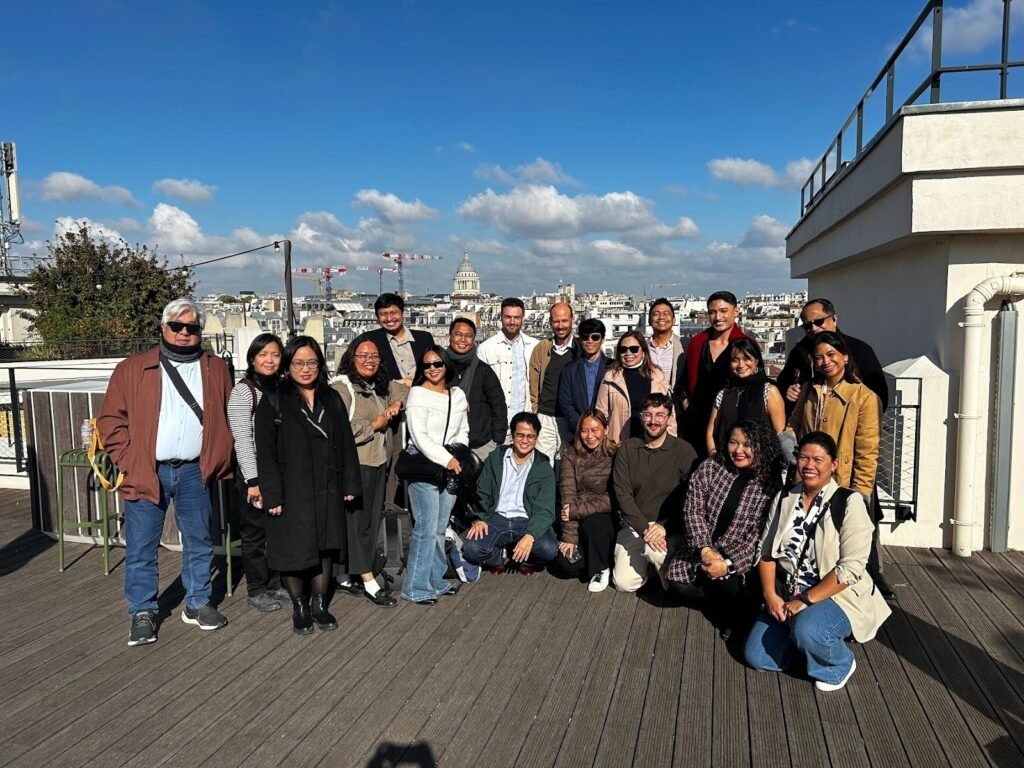
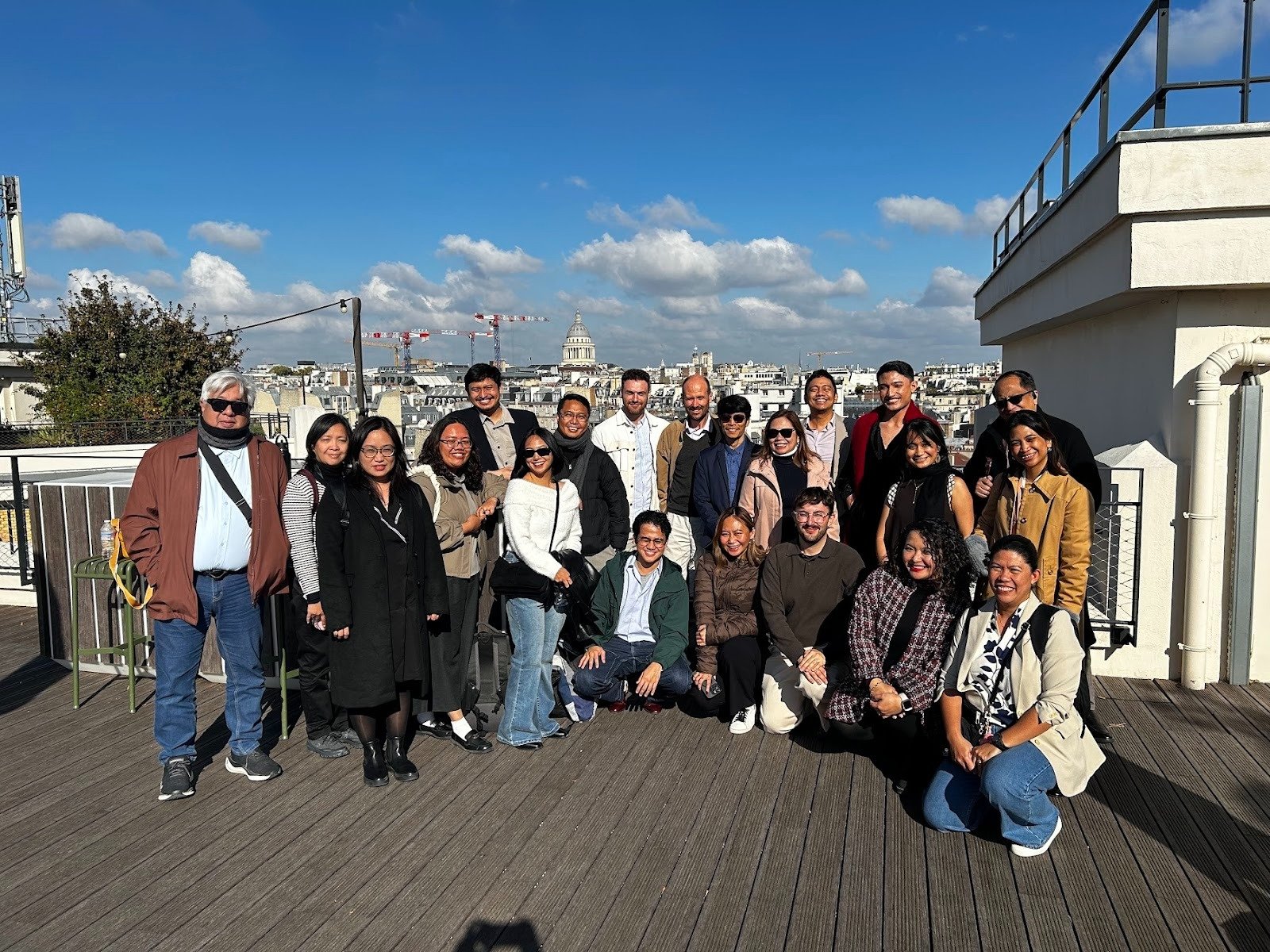
A multisectoral Philippine delegation composed of 15 representatives from eight disaster risk reduction and management (DRRM) institutions completed a week-long study visit to France, gaining firsthand insights into the country’s decentralized approach to flood risk governance. The visit was organized under the Disaster Risk Reduction and Enhanced Adaptation for Local Leaders – Technical Assistance (DRREALL-TA) Project implemented by Expertise France.
Over five days, the delegation engaged with French national and local government agencies, scientific institutions, and technical experts across Toulouse and the Paris region. The study tour highlighted innovative strategies combining advanced technologies, community-based approaches, and nature-based solutions—offering practical lessons to strengthen the Philippines’ own flood risk management systems.
Day 1: Learning from France’s Flood Forecasting and Nature-Based Solutions
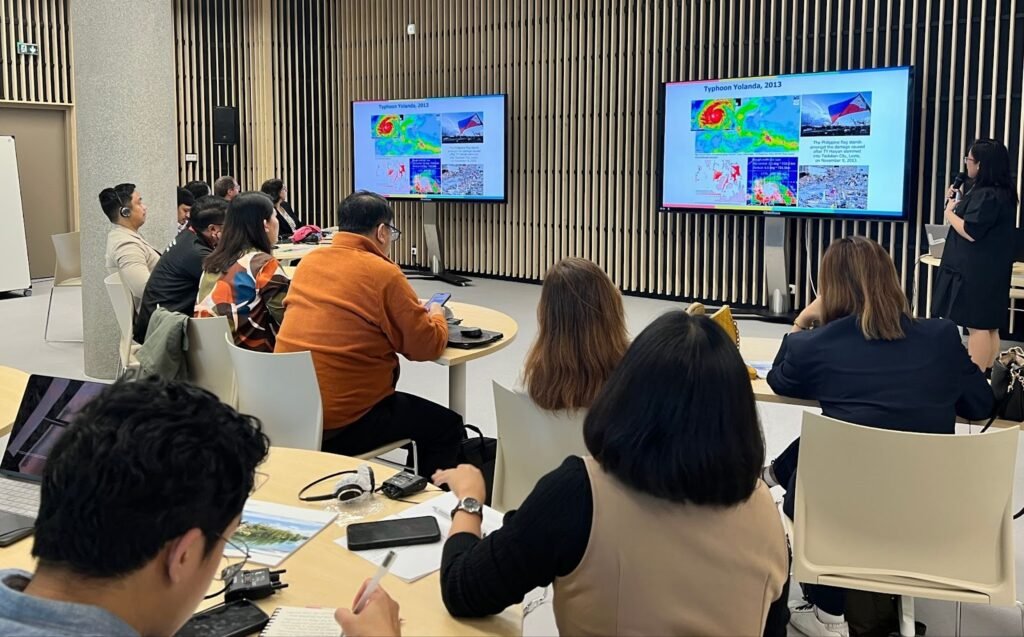
The program opened in Toulouse at the Regional Directorate for Environment, Planning and Housing (DREAL Occitanie), where participants were introduced to Vigicrues, France’s real-time flood forecasting and early-warning system. Filipino representatives from DOST-PAGASA also presented the Philippines’ current systems, creating a valuable exchange of scientific approaches and operational challenges in managing river basins.
In the afternoon, the delegation visited the Confluence Garonne-Ariège Nature Reserve. Welcomed by the Mayor of Pinsaguel, the group observed how the city employs nature-based solutions by designating natural overflow zones that slow river flow and reduce upstream flood risks. Representatives from DENR’s Mines and Geosciences Bureau and Forest Management Bureau offered Philippine perspectives on land and forest management, enriching the discussion on sustainable basin-wide governance.
Day 2: Local Leadership and the Role of Space Technology
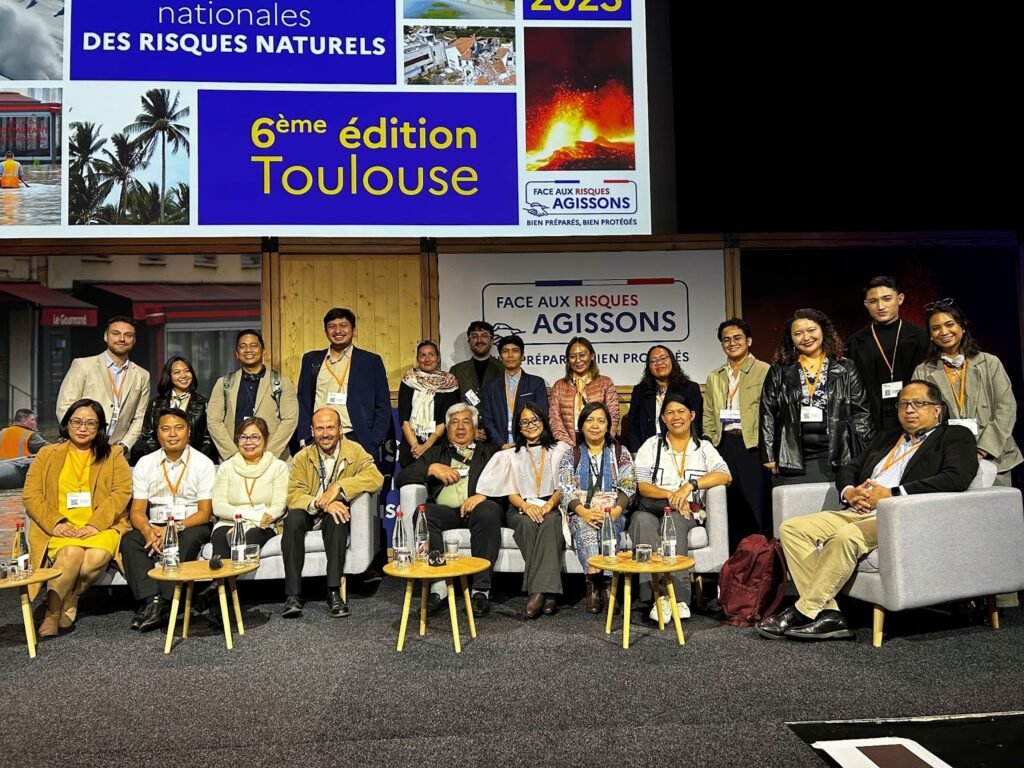
The second day began at the National Forum on Natural Hazards (Assises Nationales des Risques Naturels), a triennial gathering of France’s disaster risk stakeholders. The delegation met with CEREMA, which provides evidence-based guidance to local governments. During the plenary session, French mayors shared their experiences responding to wildfires, floods, avalanches, and cyclones—demonstrating the critical role of local leadership and preparedness.
In the afternoon, the delegation visited the French National Centre for Space Studies (CNES) to explore how satellite technologies support France’s disaster monitoring capabilities. The Philippine Space Agency (PhilSA) also shared its national programs, opening avenues for collaboration on Earth observation applications for disaster preparedness.
Day 3: Flood Management and Urban Resilience in Toulouse
Participants took part in a guided visit of the Garonne River’s flood protection system near Toulouse’s historic Pont Neuf. Led by the city’s Risk Management Department, the group learned how Toulouse combines structural measures, early-warning mechanisms, and community awareness to protect residents living near riverbanks. Exchanges between Toulouse and Makati City highlighted shared challenges and solutions in urban resilience.
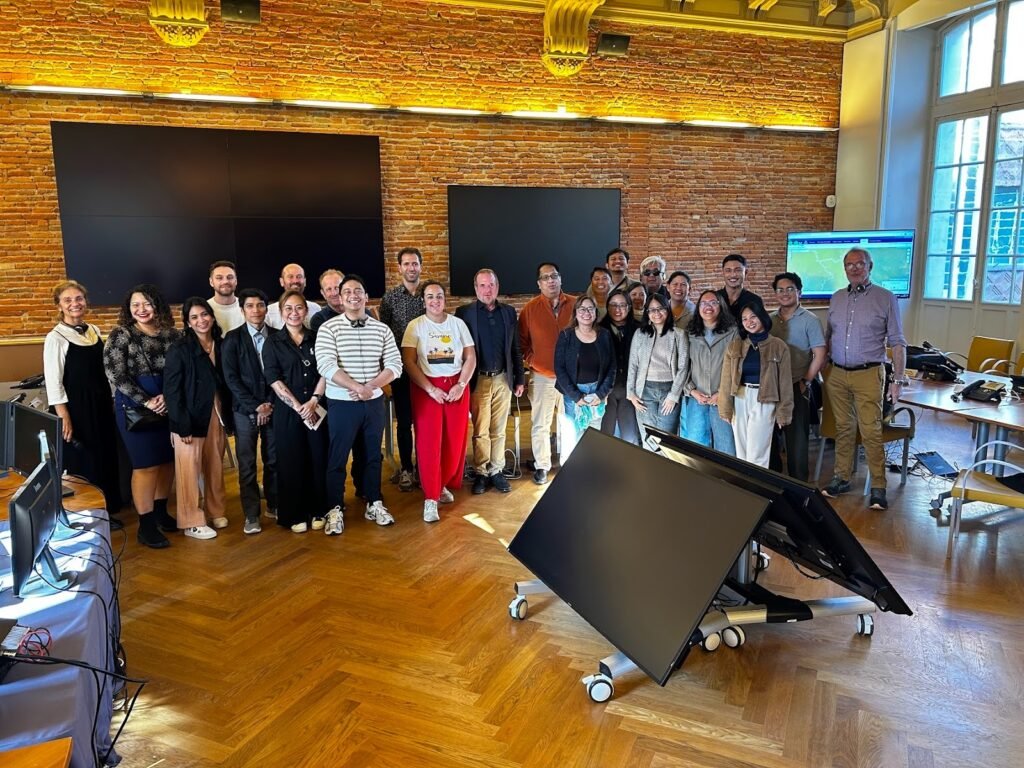
In the afternoon, the delegation proceeded to Toulouse City Hall for a working session on crisis management. Experts discussed coordination among the Prefecture, Civil Protection, and municipal departments during flood events. Makati City presented an overview of its disaster risk profile and resilience initiatives, while PHIVOLCS featured the GeoRisk Philippines platform. The visit concluded with a tour of the city’s ceremonial Capitole halls.
Day 4: Managing Flood Risks Along the Seine River
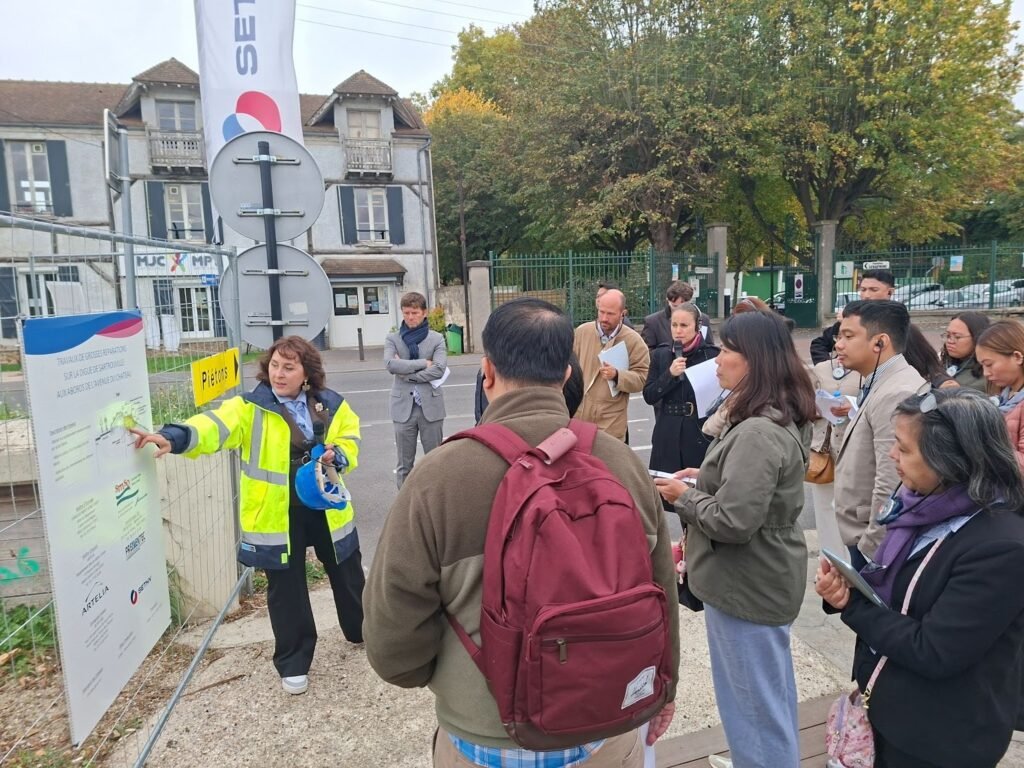
For the second leg of the visit, the delegation traveled to the Paris region to meet with the Syndicat Mixte Seine Ouest (SMSO), an intercommunal institution responsible for flood control along the Seine River. SMSO shared how it plans and finances flood management projects independent of political cycles, ensuring continuity and sustainability.
Field visits to operational and under-maintenance levees in Sartrouville and Montesson provided concrete insights into levee upkeep and risk reduction strategies. In the afternoon, the group explored nature-based interventions along the Mauldre River, where SMSO restored the tributary’s natural meandering path to slow water flow and improve ecological health. Discussions emphasized land-use planning, community engagement, and the importance of safeguarding floodplains as natural buffers.
Day 5: Integrating Lessons and Protecting Cultural Heritage
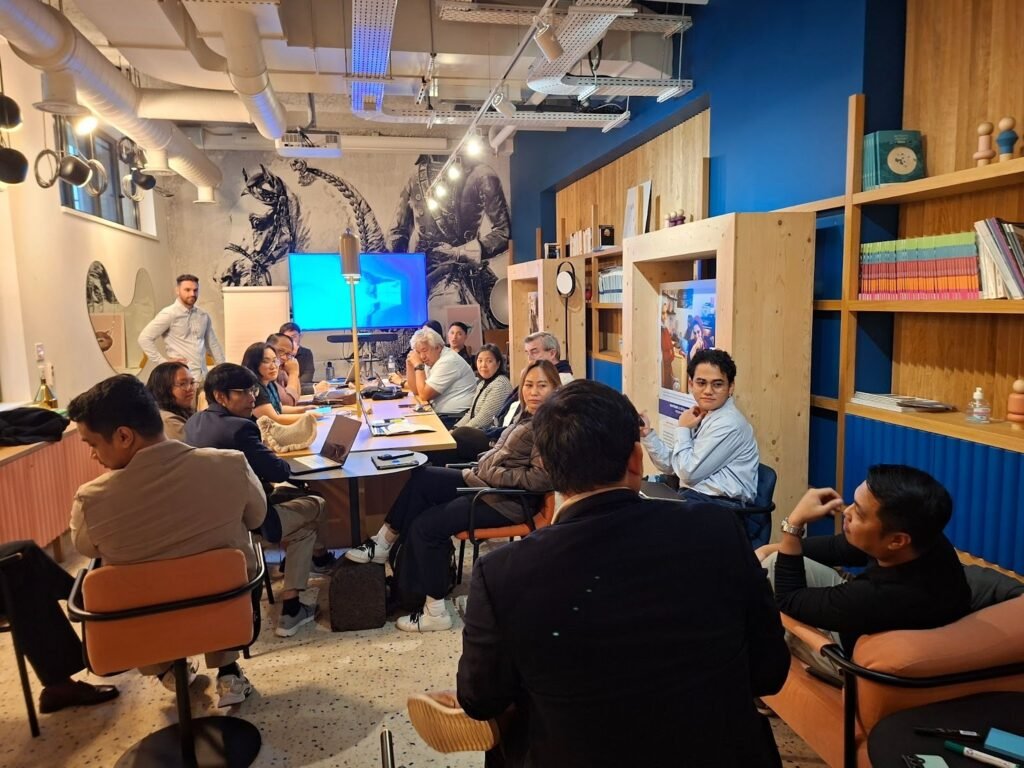
The final day of the study tour began with a learning review workshop at Expertise France Headquarters in Paris. Participants reflected on the innovative approaches observed throughout the week and discussed how these could inform a policy proposal on decentralized flood risk management under the DRREALL-TA Project.
In the afternoon, the delegation visited the Louvre Museum’s Flood Risk Management Team to learn how one of the world’s most iconic cultural institutions protects its collections in a flood-prone area. Museum representatives detailed their early-warning systems, crisis protocols, and strategies for safeguarding artworks housed in vulnerable basement galleries. The study visit concluded with a guided tour of the museum.
Strengthening Philippine Flood Resilience Through International Cooperation
Across five days of technical visits and exchanges, the France Study Tour showcased how decentralized governance, science-based decision-making, and community-centered approaches can significantly improve flood resilience. The lessons gathered will support the DRREALL-TA Project’s efforts to strengthen Philippine institutions and equip local governments with tools to better manage flood risks.
The study visit underscored a shared commitment between France and the Philippines to advance disaster resilience through knowledge exchange, innovation, and cooperation.